

GWADAR, Dec 5 – A major climate-awareness drive is set to reach 5,000 residents across Gwadar through 100 community sessions, as the United Nations Development Programme (UNDP) strengthens its focus on helping the coastal city cope with the growing impacts of climate change.
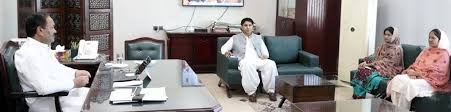
The initiative was outlined on Tuesday during a meeting between UNDP Project Officer Sana Durani and Gwadar Development Authority (GDA) Director General Moin-ur-Rehman Khan at his office.
Durani briefed the DG on UNDP’s ongoing social and development programmes in Gwadar, including the newly launched climate-change awareness plan aimed at improving community preparedness, Gwadar Pro reported.
During the meeting, UNDP officials stressed that climate resilience is particularly critical for Gwadar due to its exposure to rising sea levels, coastal erosion, repeated urban flooding, water scarcity, and increasingly erratic weather patterns, the conditions that place the city at the frontline of Pakistan’s climate challenges.
Awareness, they noted, is a first step toward helping citizens adopt preventive measures and adapt to fast-changing environmental risks.
DG Moin-ur-Rehman Khan said climate change poses “one of the most serious long-term threats” to Gwadar’s development.
He underscored the need for coordinated action, adding that GDA is already implementing several environment-focused initiatives across the city and will continue prioritizing climate-resilient planning, public awareness, and sustainable urban development.
Alongside the climate programme, UNDP also updated GDA on its technical-training initiative being carried out through the Gwadar Institute of Technology, where 100 local youth are currently receiving technical and vocational training in multiple trades.
The programme aims to build a skilled local workforce capable of meeting Gwadar’s growing development and employment demands.
The meeting reflects continued coordination between UNDP and GDA on community development, youth empowerment, and environmental preparedness, which are the three areas increasingly seen as essential for Gwadar’s sustainable future.
