

A Bold Nomination with Strategic Undertones

By Qamar Bashir
Press Secretary to the President (Rtd)
Former Press Minister, Embassy of Pakistan to France
Former MD, SRBC | Macomb, Michigan, USA
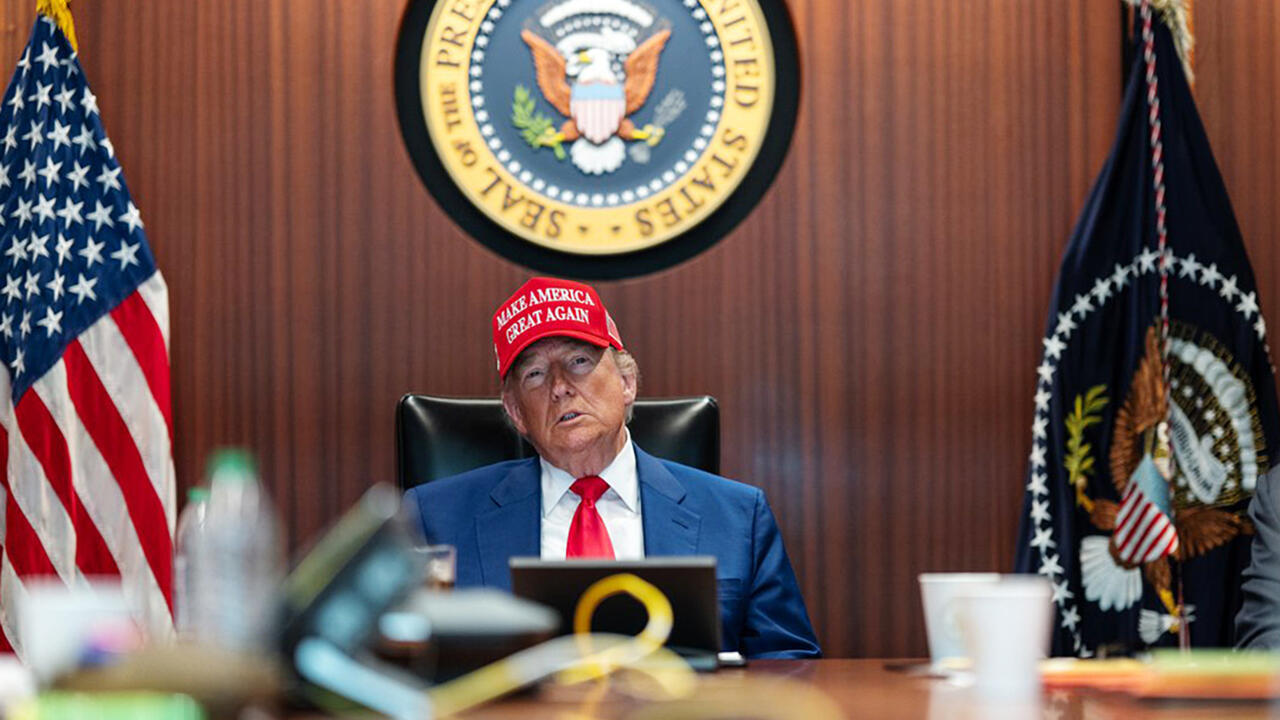
In an unexpected diplomatic maneuver, Pakistan has officially nominated former U.S. President Donald J. Trump for the 2026 Nobel Peace Prize, citing his instrumental role in defusing a high-stakes military standoff between nuclear-armed neighbors India and Pakistan. The nomination is not merely ceremonial—it signals Islamabad’s belief that Trump’s intervention prevented a catastrophic war between two countries whose combined population approaches 1.7 billion people.
A full-scale nuclear conflict would have unleashed global consequences: millions of immediate deaths, widespread radiation, and long-term ecological destruction. Pakistan’s leadership credits Trump with tipping the strategic balance and compelling India into a ceasefire—an intervention Pakistan believes deserves the highest international recognition.
Trump’s Role: Tactical or Transformative?
Islamabad contends that the ceasefire was not the result of bilateral negotiations alone, but of behind-the-scenes U.S. diplomacy led by Trump. The fact that India has not mirrored this sentiment, nor endorsed the nomination, suggests that New Delhi may have been diplomatically pressured into de-escalation. Pakistan, however, views Trump as a decisive actor who gave diplomacy a chance and helped avert one of the most dangerous escalations in South Asia’s modern history.
This move fits into Trump’s broader strategy of self-positioning as a global peacemaker. Since returning to office, he has claimed involvement in various peace efforts—from mediating between Russia and Ukraine to intervening in the Israel-Iran conflict. His image as a “deal-maker,” reinforced by these diplomatic forays, is now being repackaged as that of a “peace-maker.”
Does Trump Meet the Nobel Standard?
The Nobel Peace Prize is not awarded lightly. As defined by Alfred Nobel’s will, recipients must have made a significant contribution in the past year toward:
-
Fraternity between nations
-
The abolition or reduction of standing armies
-
The organization of peace congresses
Trump’s orchestration of a ceasefire between India and Pakistan may qualify under the first criterion. However, critics argue that the intervention lacked structural depth—it was a tactical pause, not a durable peace. There were no formal dialogues, treaties, or demilitarization mechanisms introduced.
Middle East Diplomacy and Contradictions
Despite questions over the South Asian ceasefire, Trump’s Middle East engagement appears more robust. During the 2025 Israel-Iran conflict, Trump facilitated backchannel diplomacy, urged Turkish mediation, and repeatedly called for de-escalation at international forums like the G7.
Yet contradictions abound. While championing diplomacy in some theaters, Trump has simultaneously supported aggressive military operations in others—most notably Israel’s controversial actions in Gaza. His administration’s unconditional support for Tel Aviv, despite rising civilian casualties and accusations of war crimes, has drawn global condemnation and undermined his peace credentials.
Geopolitical Overreach and Expansionism
Trump’s foreign policy includes proposals that appear expansionist and destabilizing:
-
Annexing Canada as the 51st U.S. state
-
Rebranding the Gulf of Mexico under U.S. identity
-
Taking control of Greenland from Denmark
-
Militarizing the Panama Canal and surrounding areas
These ambitions suggest a power-centric worldview, contrasting sharply with Nobel’s peace-oriented values.
Symbolism vs. Substance: Pakistan’s Strategy
Pakistan’s nomination is as much about diplomacy as it is about optics. It allows Islamabad to portray itself as a responsible, peace-seeking state while aligning with a major global figure. By nominating Trump, Pakistan gains potential favor with Washington and reinforces its narrative of de-escalation, even as India remains diplomatically silent—possibly out of resentment or embarrassment.
This also shifts the regional narrative. It casts Pakistan as proactive in peace-building, while portraying India as reactive or dismissive.
Conclusion: A Calculated Gesture with Global Implications
Pakistan’s nomination of Donald Trump for the Nobel Peace Prize is a strategic diplomatic gesture—designed to recognize Trump’s short-term conflict prevention while securing Pakistan’s place in global narratives on peace and security.
Whether the Nobel Committee will value Trump’s actions remains uncertain. Historically, the committee favors peace that is institutionalized, treaty-bound, and enduring. If that bar holds, Trump may fall short. But if a new precedent is set—where conflict avoidance alone qualifies—a serious candidacy might emerge.
Regardless of the outcome, the move is a bold recalibration of Pakistan’s diplomatic posture and a reflection of how global soft power can be shaped by timing, perception, and narrative control.
