

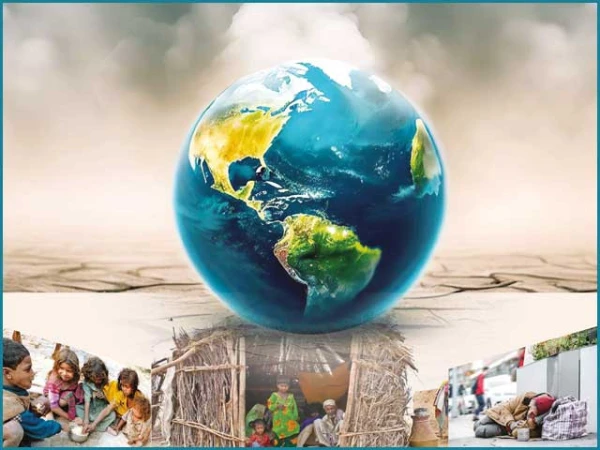
Independent Report / Feature Article
By Muhammad Zeb, Peshawar
The world has entered an era where power often overshadows principles, and self-interest sometimes outweighs humanity. Modern conflicts are no longer confined to battlefields; they are fought through economic pressures, diplomacy, sanctions, and media influence. Fewer bullets are fired, yet the consequences are far-reaching—and often silently endured.
Global powers speak loudly about human rights, yet their application is inconsistent. Some crises dominate international headlines, while countless daily tragedies remain statistics. The issue is no longer just the scale of oppression; it is about the recognition and protection of the oppressed. International institutions, once symbols of justice and peace, are increasingly criticized for their limited effectiveness. Veto powers often prioritize the interests of a few, leaving ordinary citizens and weaker nations to bear the greatest cost.
From the Middle East to Ukraine, Africa, and South Asia, the narratives may differ, but human suffering is universal. Decisions about war are made in distant halls, while innocent lives are lost in streets and marketplaces. The ordinary citizen—who neither seeks war nor shapes policy—is always most vulnerable.
Global media, once regarded as the eye of truth, now often presents reality through the lens of power. Some tragedies become headlines, while others are quietly ignored. This selective truth strengthens the silence of the global conscience, because when truth is incomplete, justice remains incomplete as well.
For countries like Pakistan, this is not a time for complaints but for principled and dignified leadership. Pakistan must speak at international forums with clarity, courage, and enduring principles rather than fleeting interests. The world respects nations that believe in their own voice and uphold ethical standards consistently.
Today, the world needs justice more than weapons, ethics more than power, and humanity more than narrow interests. Pakistan, with its rich history of resilience and principle, can lead by example—promoting fairness, defending human rights, and championing ethical diplomacy. If the global conscience remains silent, future generations will inherit a world advanced in technology but insensitive in spirit.
Perhaps that will be history’s harshest verdict—but nations that act with courage, principle, and humanity will leave a legacy that inspires generations.
