
Sustained Diplomatic Efforts Needed to Bring Kashmir Issue Back on Global Forums: Masood

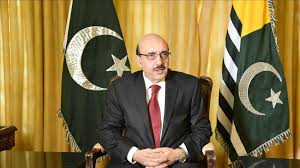
MUZAFFARABAD, August 5, 2025 : Sardar Masood Khan, former president of Azad Jammu and Kashmir and Pakistan’s former ambassador to the US, China, and the UN, says the Kashmir dispute is a global issue. Systematic, coordinated, and sustained diplomatic efforts are needed to bring Kashmir back on the agenda at global forums like the Security Council, General Assembly, and European Parliament.
He said that India projects the Kashmir dispute as a bilateral issue internationally but denies its existence during negotiations. He expressed regret that this contradictory stance results in Kashmiris being labeled rebels or traitors for advocating for their rights. He urged Pakistan, Kashmiris, and the Kashmiri diaspora to recalibrate their advocacy and resistance under a new methodology.
Criticizing past peace attempts, particularly the Musharraf-Manmohan framework, Masood Khan termed them ineffective and detrimental to the Kashmiri cause under the current Indian administration and groups like the RSS. He stated such frameworks aimed to maintain the status quo, not provide a solution.
Reaffirming Pakistan’s official stance on Kashmir, Masood Khan declared that Jammu and Kashmir is a part of Pakistan under the 1947 Indian Independence Act, the UN Charter, and international laws. He condemned India’s attempts to misrepresent legal and historical facts and said that the aspirations of the Kashmiri people should be paramount in any future political settlement.
To revitalize Pakistan’s Kashmir strategy, he recommended launching a year-long civil rights campaign for Kashmiri rights. Observing Black Day or Kashmir Solidarity Day is not enough. Advocacy must be continuous and prominent. Without consistent, effective, and coordinated efforts by Pakistan, Kashmiris, and their diaspora, global attention cannot be achieved, allowing Indian occupation to continue.
Masood Khan concluded that taking full ownership of this cause and amplifying advocacy are crucial for gaining global acknowledgment of the issue’s gravity and bringing Kashmir back within the purview of international law.
