

Independent report
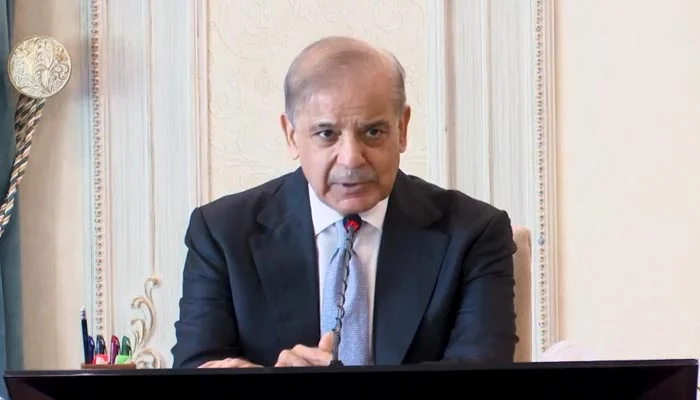
ANTALYA: Prime Minister Muhammad Shehbaz Sharif has called for an investment of approximately $138 billion by 2035 to accelerate Pakistan’s transition towards clean energy, stressing the need for affordable technology and concessional international financing.
Addressing a high-level session titled “Clean Energy Transition by 2035: Powering the Future” on the sidelines of the 31st United Nations Climate Change Conference (COP31) in Antalya on Wednesday, the prime minister said clean energy sources now accounted for nearly 55 per cent of Pakistan’s energy mix.
He said Pakistan’s seventh nuclear power plant would contribute an additional 1,200 megawatts of electricity to the national grid following the inauguration of a key section of the project.
Highlighting the government’s plans for cleaner transportation, Shehbaz Sharif said the recently introduced automobile policy aimed to make 30 per cent of new vehicles electric by 2030. He added that all future government buses and motorcycles would be electric, while more than one in every 10 motorcycles sold in Pakistan this year was already electric.
The prime minister said Pakistan would require approximately $138 billion by 2035 for low-carbon power generation, alongside another $50 billion to replace coal-based power generation with solar energy.
He stressed that expanding electricity transmission networks, developing reliable energy storage systems and adopting emerging technologies required substantial investment that developing countries, particularly those facing heavy debt burdens, could not manage alone.
Calling for greater international cooperation, he urged development partners to provide concessional financing and facilitate the transfer of affordable technologies to support developing countries in meeting their climate commitments.
He emphasised that economic growth and environmental protection must go hand in hand, adding that Pakistan remained committed to advancing its clean energy agenda and contributing to global efforts for sustainable development and climate resilience.
