
PM Calls for Grant-Based Climate Financing, Urges Global Support for Vulnerable Countries

Independent report
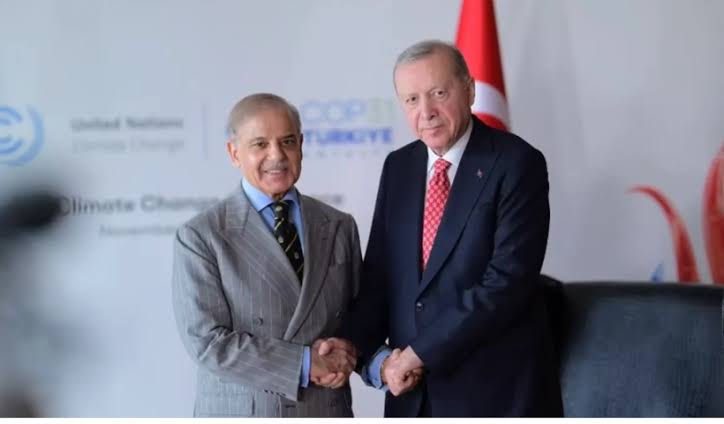
ANTALYA, November 12: Prime Minister Shehbaz Sharif has called for grant-based climate financing, including public-private partnerships, and a substantial increase in funds for climate resilience and adaptation to help vulnerable countries cope with the growing impacts of climate change.
Addressing the national statement at the Antalya Leaders Summit of the 31st UN Climate Change Conference (COP31), the prime minister stressed that climate-vulnerable nations needed timely financial assistance that would not add to their debt burden.
He described resilience and adaptation funding as essential for the survival of developing economies facing increasingly devastating climate disasters.
Recalling Pakistan’s experience with climate-induced disasters, he referred to the devastating floods of 2022, when one-third of the country was submerged, affecting 33 million people, claiming more than 1,700 lives and causing economic losses exceeding $30 billion.
He also highlighted the August 2025 flash floods in Buner, recalling the tragic story of a young man whose wedding was just two days away when floodwaters swept through his village, turning preparations for celebration into mourning.
The prime minister said the tragedy reflected the plight of millions in Pakistan and other developing countries that had contributed the least to climate change but were bearing its heaviest consequences.
He stressed that climate change transcended national borders and called for international solidarity backed by practical action.
Highlighting Pakistan’s clean energy initiatives, he said the country had added more than 20 gigawatts of distributed solar capacity in two years, while clean energy sources now accounted for nearly 55 per cent of its energy mix.
He also referred to progress on the Chashma-5 Nuclear Power Plant, saying it would add 1,200 megawatts of electricity once commissioned. Pakistan was also promoting electric mobility and aimed to reduce projected emissions by up to 50 per cent by 2035.
Emphasising water security, he said water must never be weaponised and called for respect for water-sharing agreements to protect downstream populations.
The prime minister urged world leaders to translate climate commitments into meaningful action, saying COP31’s success should be measured by the protection of vulnerable families, delivery of resources and sustained efforts to safeguard the planet.
