

Independent Report
By: Ramesh Raja
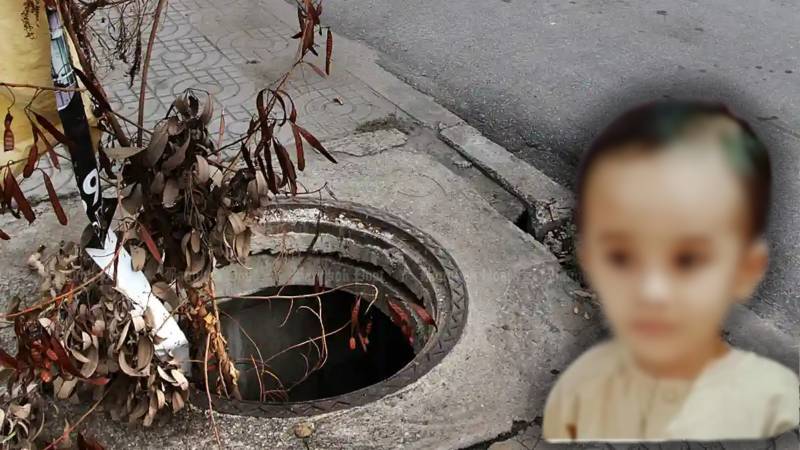
Karachi was shaken earlier this week by the tragic death of a three-year-old child who fell into an open manhole — a preventable incident that underscores the city’s chronic governance failures. Such tragedies, increasingly common in Karachi, reflect a disturbing normalization of negligence. Reports indicate that over two dozen people have died in similar incidents this year alone, yet administrative responses remain limited to condolences and temporary fixes.
This latest death is part of a broader pattern of avoidable disasters in the city: collapsed buildings, dengue outbreaks, contaminated water, and dysfunctional sewage systems all point to a systemic breakdown. Karachi’s fragmented civic structure — divided among multiple municipal and provincial bodies — leaves responsibility unclear, accountability absent, and oversight ineffective.
Experts argue that the moral and economic costs of this indifference are staggering. Preventable deaths, damaged infrastructure, and public-health crises erode trust in government while imposing billions in losses.
Immediate reforms are crucial. Authorities must conduct a comprehensive audit of manholes and drains, clarify lines of responsibility, strengthen inspection mechanisms, and hold officials criminally accountable for negligence. Long-term investment in infrastructure and a unified, empowered civic authority are essential to prevent further loss of life.
The child who perished in Karachi’s open manhole deserved safety, as do all residents. Without decisive action, such failures will continue — and the most vulnerable will continue to pay the highest price.
