
Pakhtunkhwa’s Tribal Districts Pose Deadly Threat to Civilians
Experts urge awareness and caution as buried landmines and unexploded ordnance continue to endanger children and herders in Pakistan’s tribal areas.


By M. Ilyas Mullakhel
Peshawar – October 11, 2025
Hidden landmines and unexploded ordnance (UXOs) scattered across the merged tribal districts of Khyber Pakhtunkhwa continue to pose a serious threat to civilian lives. Women, children, and herders are most at risk as they venture into fields, pastures, and mountain tracks for daily work and survival.
The problem dates back decades — to the Soviet-Afghan war (1979–1989), when thousands of mines were planted along the border regions. Later, militant groups operating in the tribal belt laid new mines and booby traps to obstruct security operations during the height of militancy. As Pakistan’s armed forces reclaimed these areas, many unexploded devices remained buried in the soil, creating a lethal legacy that still endangers innocent lives.
According to security experts and local sources, dozens of civilians have been killed or maimed by landmine explosions in recent years. Many victims are children who unknowingly enter contaminated zones, or shepherds earning their livelihoods in mine-affected areas.
Officials have expressed concern over misinformation being spread on social media blaming state institutions for the presence of these mines. Ground realities show that most of these explosives are remnants of past wars and militant activities, not planted by the state. Analysts warn that such false narratives erode public trust and divert attention from the real perpetrators — the extremist elements who deployed these deadly devices.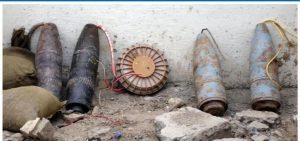
Authorities and humanitarian organizations emphasize that tackling this crisis requires a joint effort. Communities are urged to immediately report any suspicious objects, refrain from touching them, and avoid circulating unverified information online.
Landmines and UXOs are not merely relics of conflict — they are an ongoing humanitarian hazard threatening lives, livelihoods, and stability. Only through cooperation among citizens, the government, and security agencies can Khyber Pakhtunkhwa’s tribal
